Technical Guide to HICLOVER Waste Incinerators: Cost-Effective Solutions for Municipal and Clinical Applications
Waste incinerators play a pivotal role in modern waste management, particularly in addressing the challenges of municipal and clinical waste disposal. HICLOVER waste incinerators, engineered with precision for reliability, adhere to stringent industrial standards such as those outlined in EU emission frameworks and WHO guidelines. For instance, medical incinerator operating temperature standards typically require secondary chamber temperatures ranging from 850°C to 1,200°C to ensure complete combustion and minimize emissions. This engineering reliability, backed by over 16 years of manufacturing expertise, positions HICLOVER systems as a dependable choice for government officials and regulatory bodies focused on sustainable waste handling.
Understanding Combustion Principles and Technical Standards
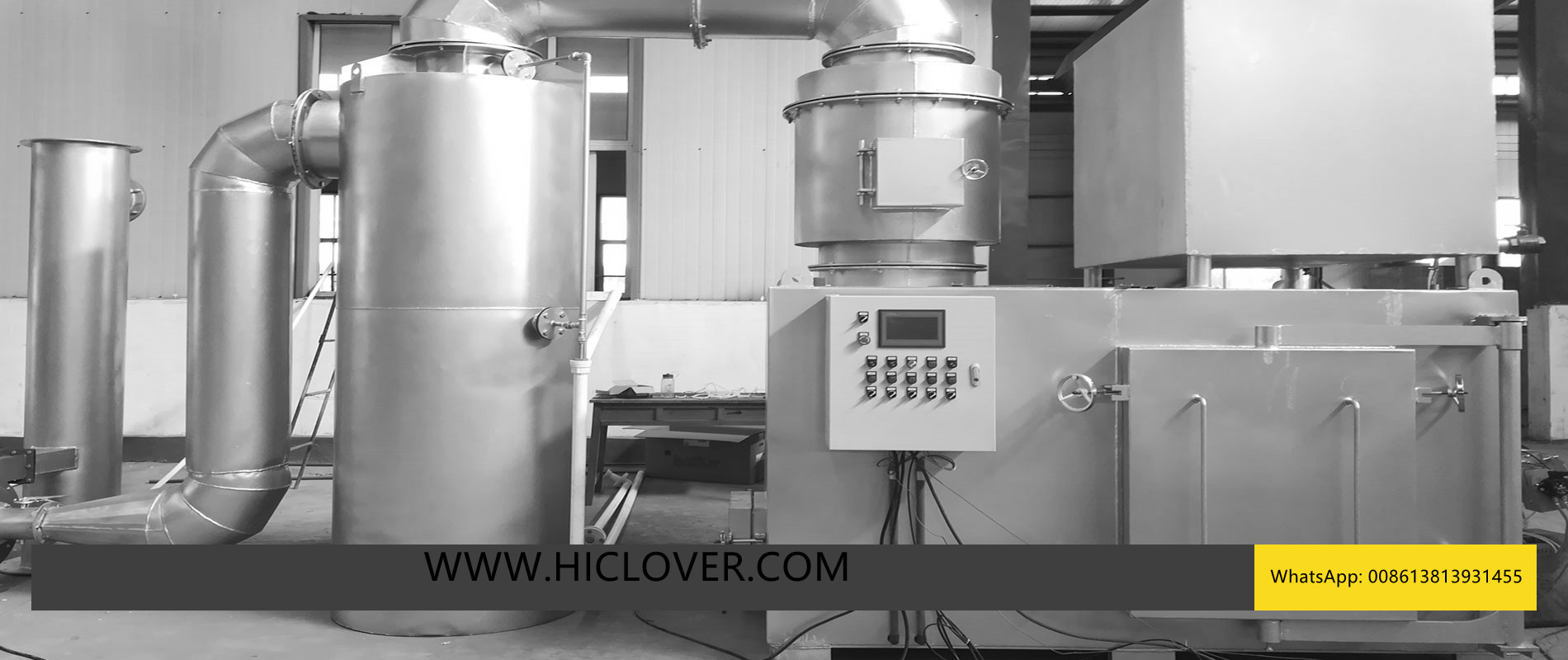
The core of any waste incinerator lies in its combustion principles, which dictate how waste is transformed into ash while adhering to environmental regulations. HICLOVER waste incinerators feature dual combustion chambers that enhance efficiency by separating primary and secondary burning processes. In the primary chamber, waste undergoes initial breakdown at controlled temperatures, often exceeding 800°C, to volatilize organic materials. The secondary chamber then maintains high temperature retention, typically above 1,000°C, to ensure thorough destruction of pathogens and reduction of harmful emissions, aligning with WHO standards for infectious waste management.
This design not only meets regulatory references like the EU’s Waste Incineration Directive but also supports global infectious disease preparedness by safely disposing of biohazardous materials in hospitals and clinics. For example, in crisis zones or humanitarian camps, where rapid deployment is essential, HICLOVER’s systems provide a robust solution. The importance of high temperature retention cannot be overstated; it prevents the release of dioxins and furans, contributing to carbon emission reduction pressure and ESG compliance in waste management operations.
Furthermore, HICLOVER’s engineering experience ensures that these incinerators incorporate energy recovery systems, where heat generated during combustion can be harnessed for on-site power, enhancing overall cost-effectiveness. A stable supply chain, rooted in factory manufacturing capabilities, allows for consistent production of components like Italy brand burners and PLC automation, reducing downtime and improving ROI for municipal waste programs.
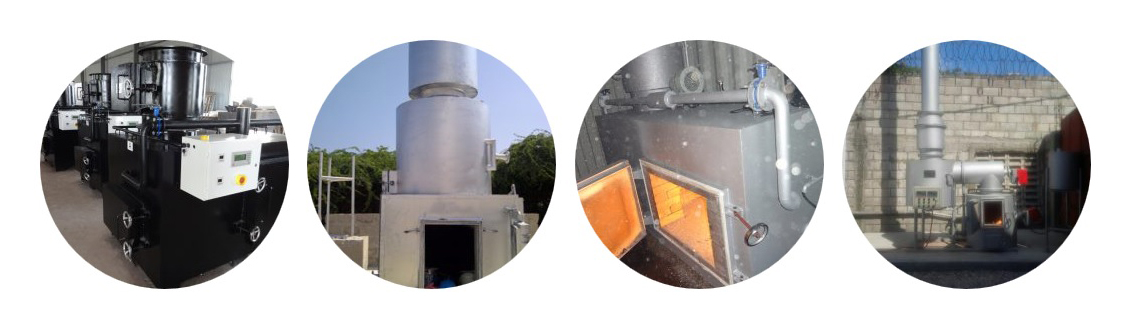
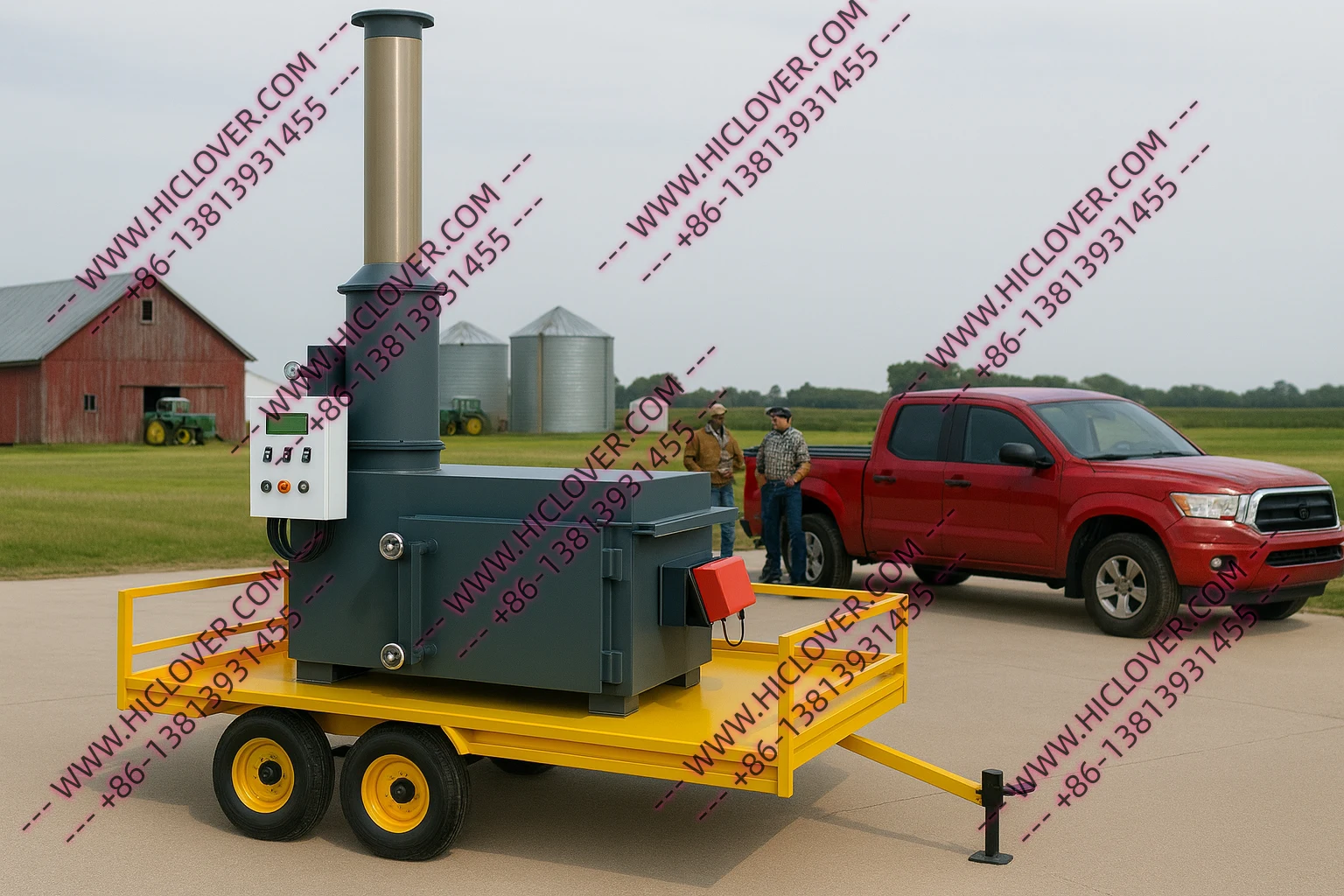
Comparing fixed versus containerized incinerators, the latter offers greater flexibility for remote sites, such as mining or oil camps, where decentralized waste management is crucial. HICLOVER’s containerized mobile incinerators, with their plug-and-play design, facilitate easy transport and setup, making them ideal for dynamic environments. This adaptability, combined with multi-fuel options like diesel, LPG, or natural gas, underscores the economic benefits by minimizing fuel dependency and operational costs.
In terms of control systems, PLC automation surpasses manual methods by providing precise monitoring and adjustments, which optimize fuel efficiency and extend equipment lifespan. For instance, in a clinic setting, where incinerator for clinics must handle pathological waste reliably, PLC systems ensure consistent performance, reducing the need for frequent maintenance and thereby improving long-term ROI.
Regulatory Compliance and Emission Control Mechanisms
Delving deeper into regulatory aspects, HICLOVER waste incinerators comply with international standards through features like optional wet or dry scrubbers. Dry scrubbers, which use sorbent materials to neutralize acids, are often preferred for their lower water consumption, making them suitable for arid regions or remote mining camps. Wet scrubbers, on the other hand, excel in high-moisture environments by effectively capturing particulate matter. This choice between scrubber types allows for tailored solutions that enhance economic benefits by aligning with local ESG compliance requirements.
Supply chain resilience is another advantage of HICLOVER’s factory direct supply model, which contrasts with trading companies by offering customizable chamber volumes and global export capabilities. Unlike intermediaries, HICLOVER’s direct manufacturing ensures that each unit is built with high-efficiency waste disposal in mind, incorporating modern incineration technology for smokeless operation. For government officials, this means access to incinerators that not only meet but exceed standards for municipal waste, promoting sustainable practices amid growing pressures for carbon emission reduction.
The integration of digital automation in industrial equipment, such as HICLOVER’s PLC-controlled systems, reflects current trends in advanced technology. These features enable real-time data analytics, aiding in predictive maintenance and reducing operational interruptions, which directly impacts ROI. In humanitarian contexts, such as decentralized waste management in conflict areas, this technology ensures reliable performance without the need for on-site expertise.
Economic Benefits and ROI Analysis for Government Applications
From an economic perspective, the deployment of HICLOVER waste incinerators offers substantial ROI through reduced long-term costs and enhanced resource recovery. Factory manufacturing capabilities allow for scalable production, with customizable options like chamber sizes from small-scale clinic units to large municipal systems capable of handling hundreds of kilograms per hour. This flexibility supports cost-effective waste management in diverse settings, from urban clinics to remote oil camps, where incinerator for municipal waste must operate efficiently under varying loads.
Highlighting HICLOVER’s advantages, their direct supply chain eliminates markups associated with trading companies, providing stable pricing and faster delivery. For instance, a mobile modular incinerator can be deployed quickly in crisis zones, offering immediate waste disposal solutions while incorporating energy recovery to offset fuel expenses. Over a five-year period, such systems can achieve ROI through energy savings and minimized landfill fees, making them a strategic investment for regulatory bodies focused on fiscal responsibility.
In commercial investigation, comparing incinerator types reveals that HICLOVER’s mobile plug-and-play designs outperform traditional fixed units in remote site suitability. These systems, equipped with dual combustion chambers and multi-fuel versatility, adapt to local fuel availability, reducing operational costs in areas like humanitarian camps. Additionally, the inclusion of optional scrubbers ensures compliance with emission standards, further enhancing economic viability by avoiding potential fines.
Transactional elements, such as global export capability, underscore HICLOVER’s engineering experience. Clients benefit from tailored solutions, including incinerator maintenance tips that emphasize routine checks on PLC systems and burner efficiency to prolong equipment life. For example, for an incinerator for clinics, regular maintenance can extend operational cycles, directly contributing to ROI by deferring replacement costs. This approach aligns with trends in supply chain resilience, ensuring that parts and services are readily available globally.
Incorporating broader trends, HICLOVER’s designs address carbon emission reduction pressure through advanced combustion principles that maximize energy recovery. In the context of global infectious disease preparedness, these incinerators provide a critical tool for safe waste disposal in healthcare settings, while their modular nature supports decentralized management in remote areas. For more detailed technical specifications, refer to the HICLOVER website, which outlines engineering features like chamber configurations and automation controls.
Midway through evaluating options, officials might seek further resources; for instance, a search on incinerator for municipal waste maintenance tips can provide additional insights into best practices, ensuring systems like HICLOVER’s remain optimal.
Case Studies: Applications in Diverse Environments
Real-world applications demonstrate the economic benefits of HICLOVER waste incinerators. In municipal settings, these units handle general solid waste efficiently, with features like top-loading doors simplifying operations and reducing labor costs. For clinics, the focus on pathological waste incineration ensures compliance with biohazard standards, while the system’s ability to incorporate heat recovery aligns with energy trends in industrial equipment.
In remote mining camps, the containerized design allows for easy relocation, supporting decentralized waste management and contributing to ESG goals. HICLOVER’s multi-fuel options further enhance adaptability, making these incinerators a cost-effective choice in regions with varying energy sources. This versatility, combined with over 16 years of expertise, positions HICLOVER as a leader in providing solutions that balance economic and environmental priorities.
Conclusion on Long-Term Sustainability and Investment
The strategic adoption of HICLOVER waste incinerators represents a forward-thinking investment for government and regulatory entities. By prioritizing cost-effectiveness through efficient combustion, customizable designs, and robust engineering, these systems deliver measurable ROI while addressing contemporary challenges like carbon emission reduction and global health preparedness. As waste management evolves, HICLOVER’s commitment to innovation ensures continued relevance in an era of advanced technology and sustainable practices.