HICLOVER Waste Incinerators: A Technical Comparative Analysis for Global Waste Management Solutions
Technical Foundations of Modern Waste Incineration Systems
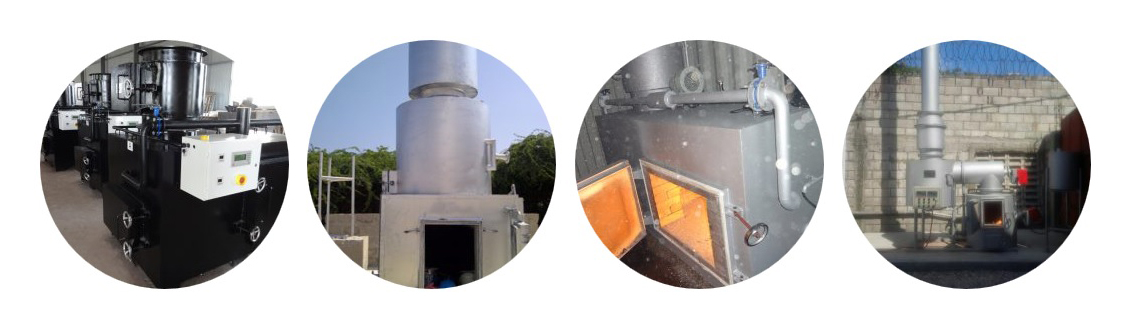
Modern waste incinerators operate under stringent thermal and regulatory frameworks, with secondary chamber temperatures exceeding 850°C to meet WHO guidelines and EU emission standards. HICLOVER, a China waste incinerator manufacturer, designs systems that integrate dual combustion chambers to ensure complete organic compound destruction, achieving 99.9% burnout rates. These systems are critical for applications ranging from Malawi hospital waste incinerator installations to Senegal animal cremation facilities, where pathogen elimination and emission control are non-negotiable.
Combustion Dynamics and Emission Control
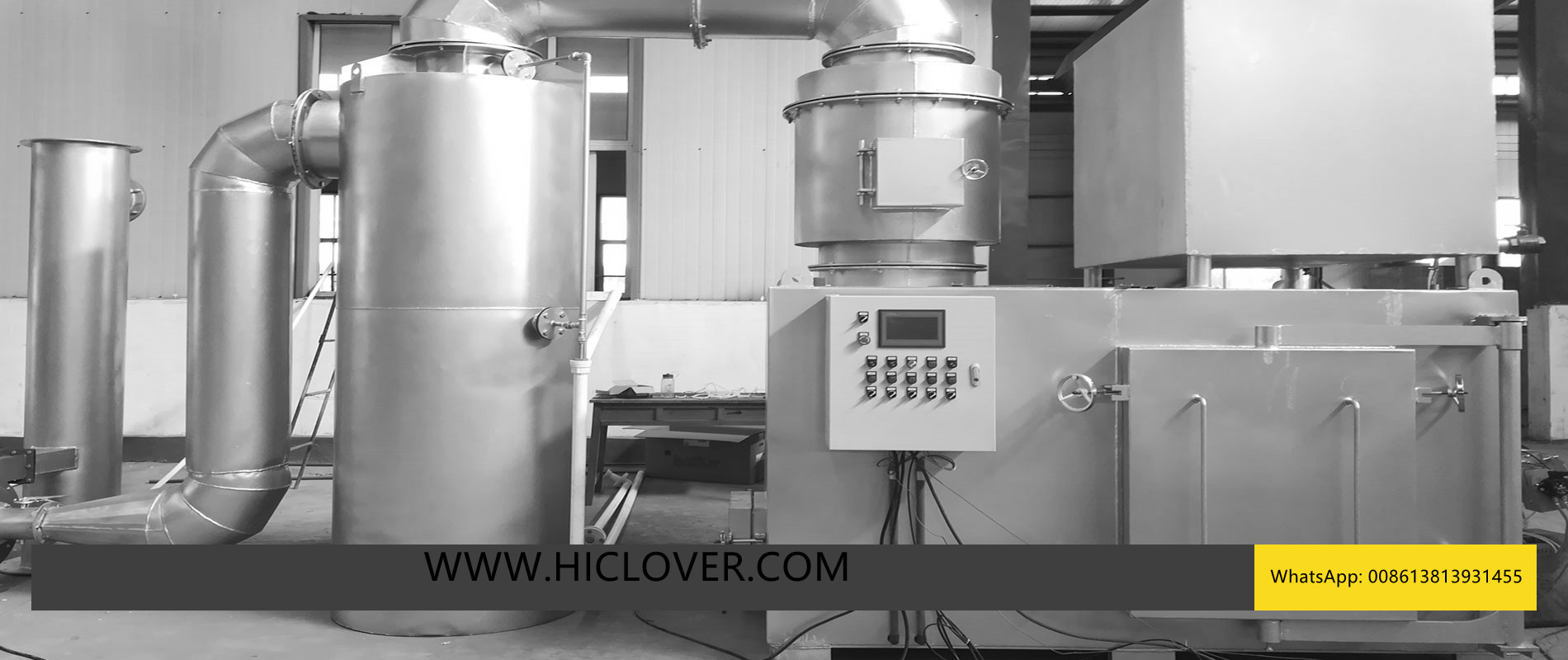
HICLOVER’s incinerator with a burning capacity 1 kg/h to 3,000 kg/h utilizes staged gasification, where primary chamber pyrolysis (400–600°C) is followed by secondary chamber oxidation (≥1,000°C). This process minimizes particulate matter and dioxins, particularly when paired with optional dry scrubber or wet scrubbing systems. For remote sites like mining camps in Cote d’Ivoire or Togo medical waste incinerator projects, this thermal precision ensures compliance without grid dependency.
Operational Configurations: Mobile vs Fixed Systems
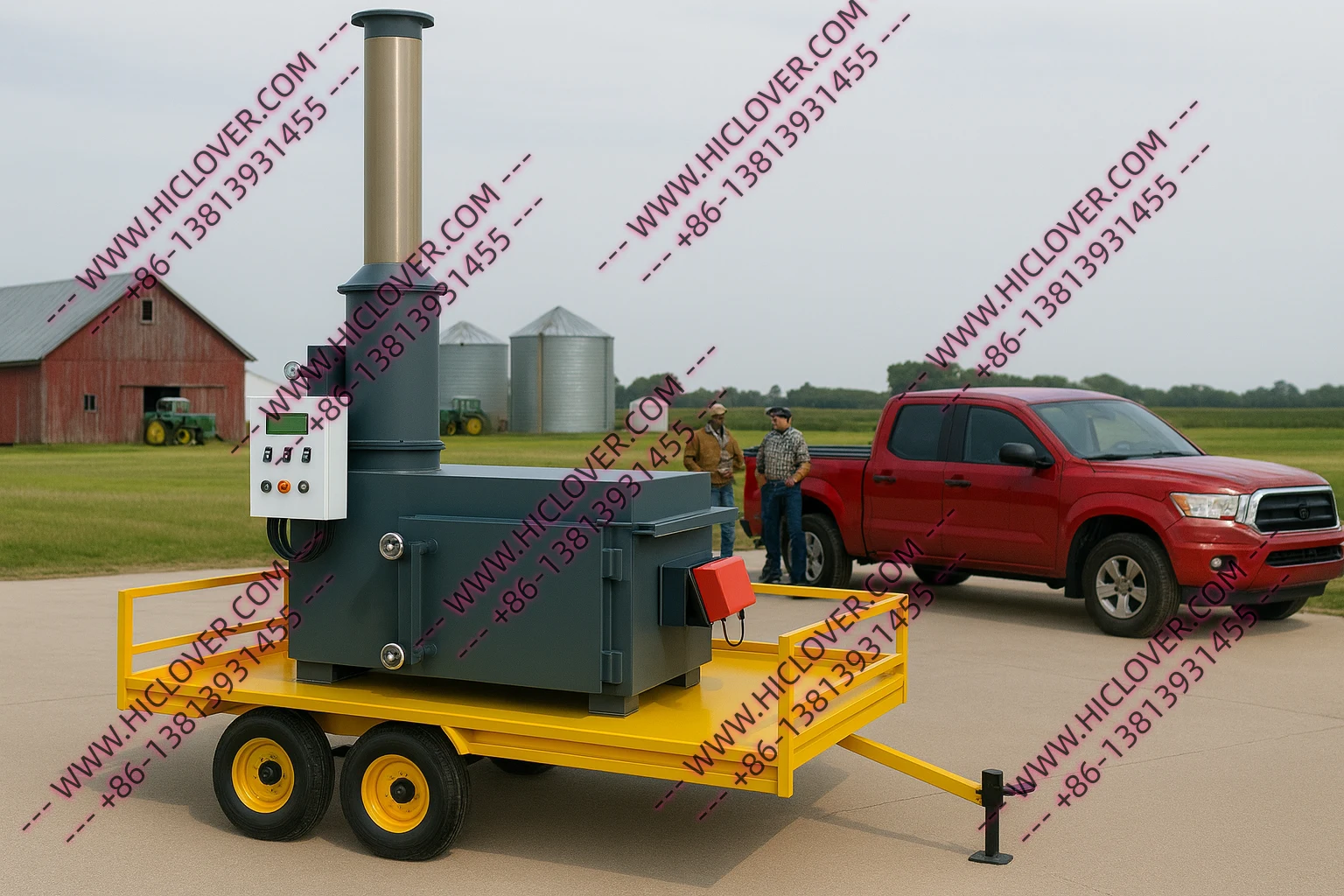
Engineers evaluating incinerator China manufacturer options must consider deployment scenarios. HICLOVER’s containerized units, such as those deployed in Ghana smart ash incinerator projects, offer plug-and-play mobility for disaster response teams, contrasting with fixed-site models suited for urban hospitals. A 2023 field study in Benin demonstrated that mobile systems reduced installation time by 70% compared to traditional brick-lined incinerators.
Control Systems and Automation
PLC-controlled HICLOVER units provide real-time monitoring of critical parameters—oxygen levels, chamber temperatures, and pressure differentials—through integrated sensors. This automation outperforms manual systems in consistency, particularly for medical waste incinerator operating temperature standards. Remote access capabilities align with decentralized waste management trends, allowing technicians in remote oil camps to adjust settings via IoT interfaces.
Global Supply Chain and Customization Capabilities
As a factory-direct incinerator China manufacturer, HICLOVER bypasses trading intermediaries, ensuring 20–30% cost advantages for clients in emerging markets. Their modular designs allow chamber volume adjustments from 50L to 10m³, accommodating varied regional needs—whether scaling up animal cremation capacity in West Africa or optimizing compact medical units for Southeast Asian clinics.
Compliance and Energy Recovery Integration
HICLOVER systems incorporate heat recovery boilers in 43% of installations, converting waste heat into steam for adjacent processes—a critical feature for ESG-focused organizations. Their multi-fuel capability (diesel/LPG/natural gas) ensures operational continuity during supply disruptions, as evidenced by a 2022 deployment for a humanitarian camp in conflict-affected Northern Mali.
For technical specifications on secondary chamber temperature validation, engineers reference medical incinerator secondary chamber temperature standard. HICLOVER’s engineering team provides customized combustion profiles through direct factory consultations, ensuring alignment with both local regulations and global best practices.