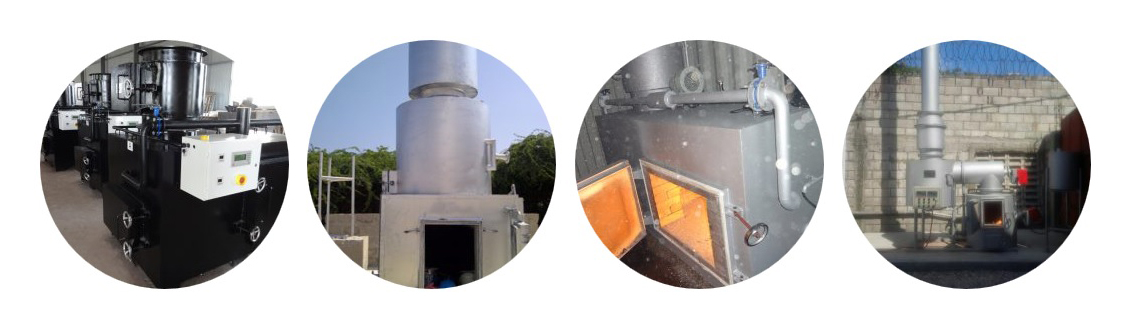
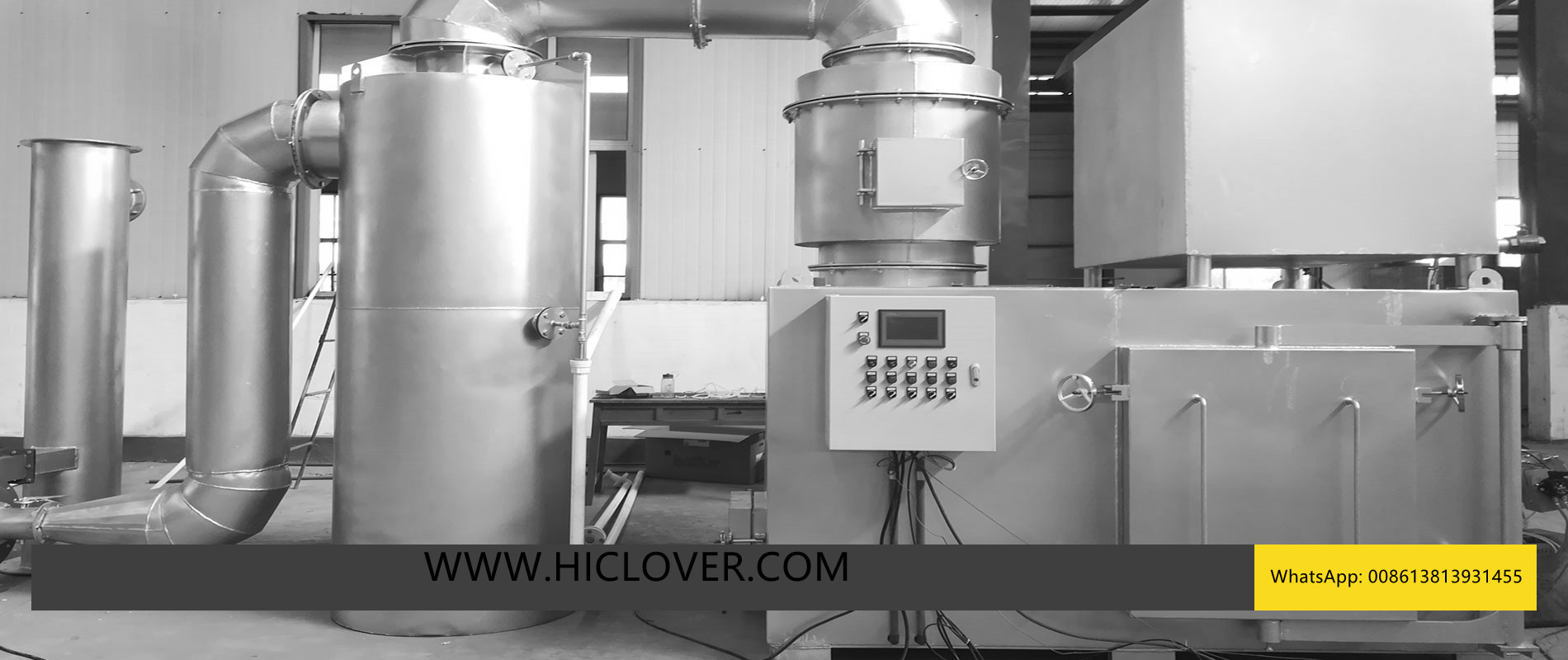
A Technical Dossier on Modern Thermal Waste Destruction: The Engineering Principles of HICLOVER Waste Incinerators
The engineered process of thermal destruction is a cornerstone of modern sanitation and environmental protection, providing a definitive method for volume reduction and pathogen neutralization for a wide array of waste streams. Central to this process are industrial waste incinerators, sophisticated systems designed to achieve complete combustion under highly controlled conditions. An effective incinerator for waste management solution must not only destroy waste but also operate in strict compliance with global environmental regulations, such as those set by the World Health Organization (WHO) and European Union directives. The engineering reliability of these systems is paramount, as operational integrity is directly linked to public health and ecological safety. Achieving the required destruction and removal efficiency (DRE) of 99.99% necessitates precise control over combustion parameters, particularly maintaining temperatures between 850°C and 1200°C to ensure the thermal decomposition of hazardous organic compounds.
Foundational Engineering of High-Efficiency Thermal Oxidation
The efficacy of a waste incinerator is not measured simply by its ability to burn refuse, but by its capacity to mineralize complex organic materials into inert ash and harmless flue gases. This process, known as thermal oxidation, is governed by fundamental principles of chemistry and thermodynamics. HICLOVER systems are engineered from the ground up to master these principles, ensuring that the final emissions are environmentally benign and that the solid residue is stable and significantly reduced in volume. This is achieved through a multi-stage combustion process, advanced material science, and an unwavering commitment to meeting or exceeding the most stringent international standards for air quality. The design philosophy recognizes that incomplete combustion is the primary source of harmful pollutants, such as dioxins, furans, and carbon monoxide. Therefore, every component, from the burner management system to the refractory lining, is specified to create an environment of complete and controlled oxidation.
The Principle of Dual-Chamber Combustion
The core of modern waste incinerators is the dual-chamber design, a configuration that segregates the combustion process into two distinct, sequential stages. This separation is critical for achieving high DRE and minimizing the formation of pollutants.
The primary combustion chamber operates under substoichiometric (air-deficient) conditions, with temperatures typically maintained between 650°C and 850°C. In this environment, the solid waste undergoes pyrolysis and gasification. Instead of rapid, open burning, the waste is thermally decomposed into a mixture of combustible gases (syngas), volatile organic compounds (VOCs), and a solid carbonaceous char (ash). This controlled, low-turbulence stage prevents particulate matter from becoming entrained in the gas stream and carried out of the system prematurely. The primary chamber effectively functions as a gasifier, converting the solid fuel source into a gaseous one that can be more easily and completely combusted in the next stage.
This volatile gas mixture then flows into the secondary chamber, or thermal oxidizer. Here, excess air is injected, and an auxiliary burner maintains temperatures at a minimum of 850°C, often exceeding 1100°C for specific hazardous or clinical wastes. The complete combustion of the gases is governed by the “Three T’s”:
- Temperature: High temperatures are required to break the strong chemical bonds of persistent organic pollutants. For dioxins and furans, temperatures above 850°C are essential for their destruction.
- Time: The flue gases must be held within this high-temperature zone for a specific duration, known as the residence time. A minimum of two seconds is the globally accepted standard to ensure that even the most stable molecules have sufficient time to fully oxidize.
- Turbulence: Vigorous mixing of the hot gases with combustion air is engineered into the secondary chamber’s design. This turbulence ensures that there are no cool spots or oxygen-starved pockets, guaranteeing that every molecule of pollutant comes into contact with sufficient oxygen at the required temperature.
Material Science and Refractory Engineering
The extreme thermal and chemical stresses inside waste incinerators demand specialized materials. The structural integrity of the incinerator is maintained by a steel shell, but this shell is protected from the intense heat by a thick refractory lining. This lining is not merely insulation; it is an active component of the thermal system. HICLOVER utilizes high-density, high-alumina refractory bricks and castable refractory concrete selected for their low thermal conductivity, high hot strength, and resistance to chemical attack from acid gases and slag. This robust lining serves three critical functions: it minimizes heat loss to the exterior, ensuring thermal efficiency and stable operating temperatures; it protects the steel casing from thermal degradation and corrosion; and it acts as a “heat sink,” storing and radiating thermal energy back into the combustion zone to help maintain temperature stability during and between burn cycles. The longevity and reliability of an incinerator are directly proportional to the quality of its refractory engineering.
Adherence to Global Emission Standards
Compliance is not an option; it is an engineering requirement. Systems are designed to meet benchmarks such as the European Union’s Waste Incineration Directive (now part of the Industrial Emissions Directive 2010/75/EU) and WHO guidelines for the incineration of healthcare waste. These regulations set strict emission limit values (ELVs) for pollutants like particulate matter (dust), carbon monoxide (CO), hydrogen chloride (HCl), sulfur dioxide (SO2), nitrogen oxides (NOx), and the highly toxic dioxins and furans. The dual-chamber system with its guaranteed high-temperature residence time is the primary engineering control for destroying these compounds. For a deeper understanding of the specific requirements, one might consult a search query such as EU+Waste+Incineration+Directive+emission+limits. HICLOVER’s design methodology inherently targets these standards, with optional flue gas treatment systems added to address specific feedstocks and local regulatory demands.
System Architecture and Operational Modularity
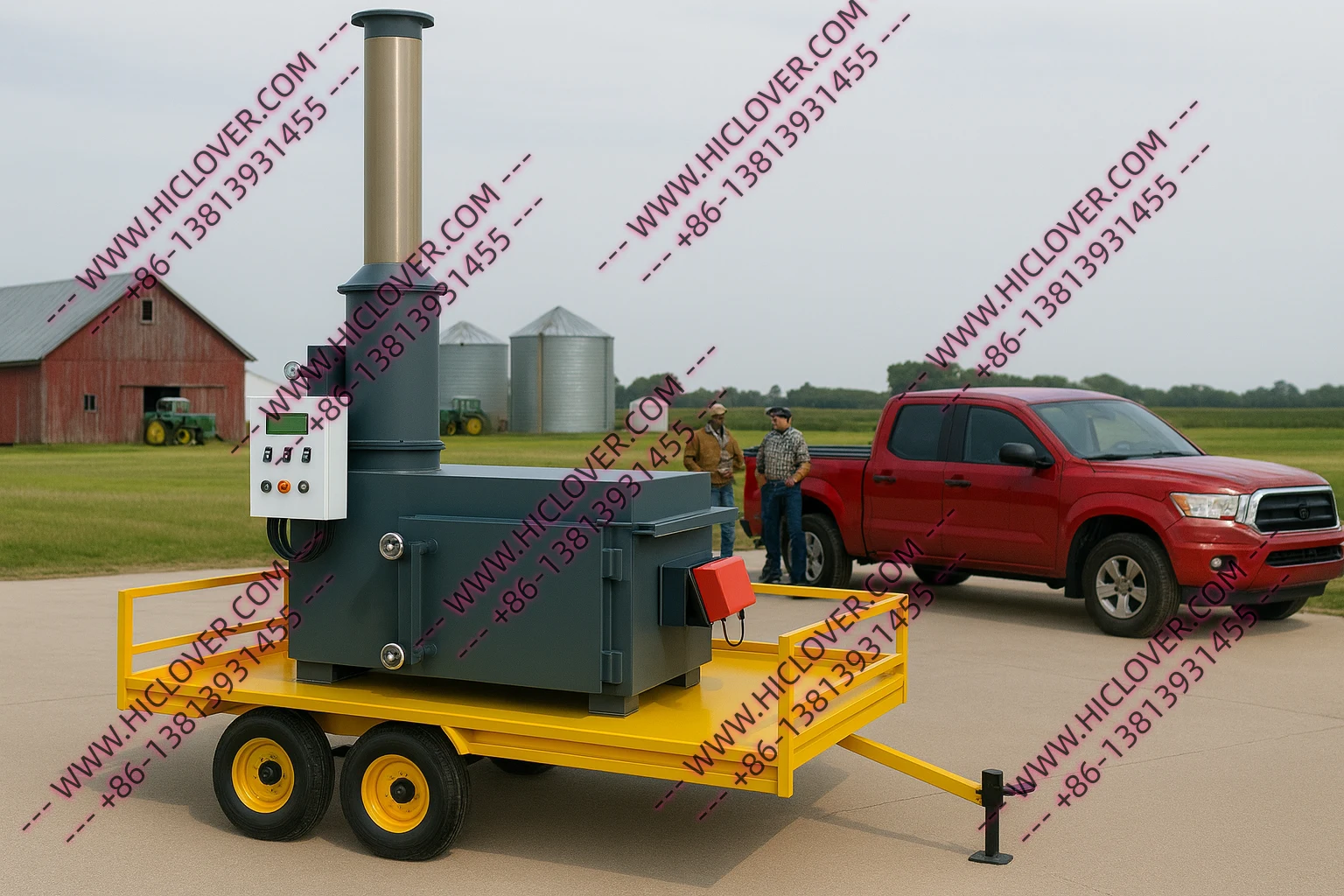
The modern operational landscape, from dense urban hospitals to remote humanitarian aid camps, requires waste management solutions that are both powerful and adaptable. A one-size-fits-all approach is no longer viable. The architectural design of an incinerator system must consider factors such as deployment speed, site constraints, operator skill level, and long-term scalability. This has driven the evolution of incinerator design from monolithic, site-built installations to flexible, modular platforms that can be configured to meet precise operational needs. This modularity is a key factor in addressing contemporary challenges like the need for **decentralized waste management** and enhanced **supply chain resilience** in critical infrastructure.
Fixed vs. Containerized Systems: A Strategic Deployment Analysis
The choice